
PAINT PROTECTION FILM (PPF)
Protect your paint from chips, scratches, and everyday damage.
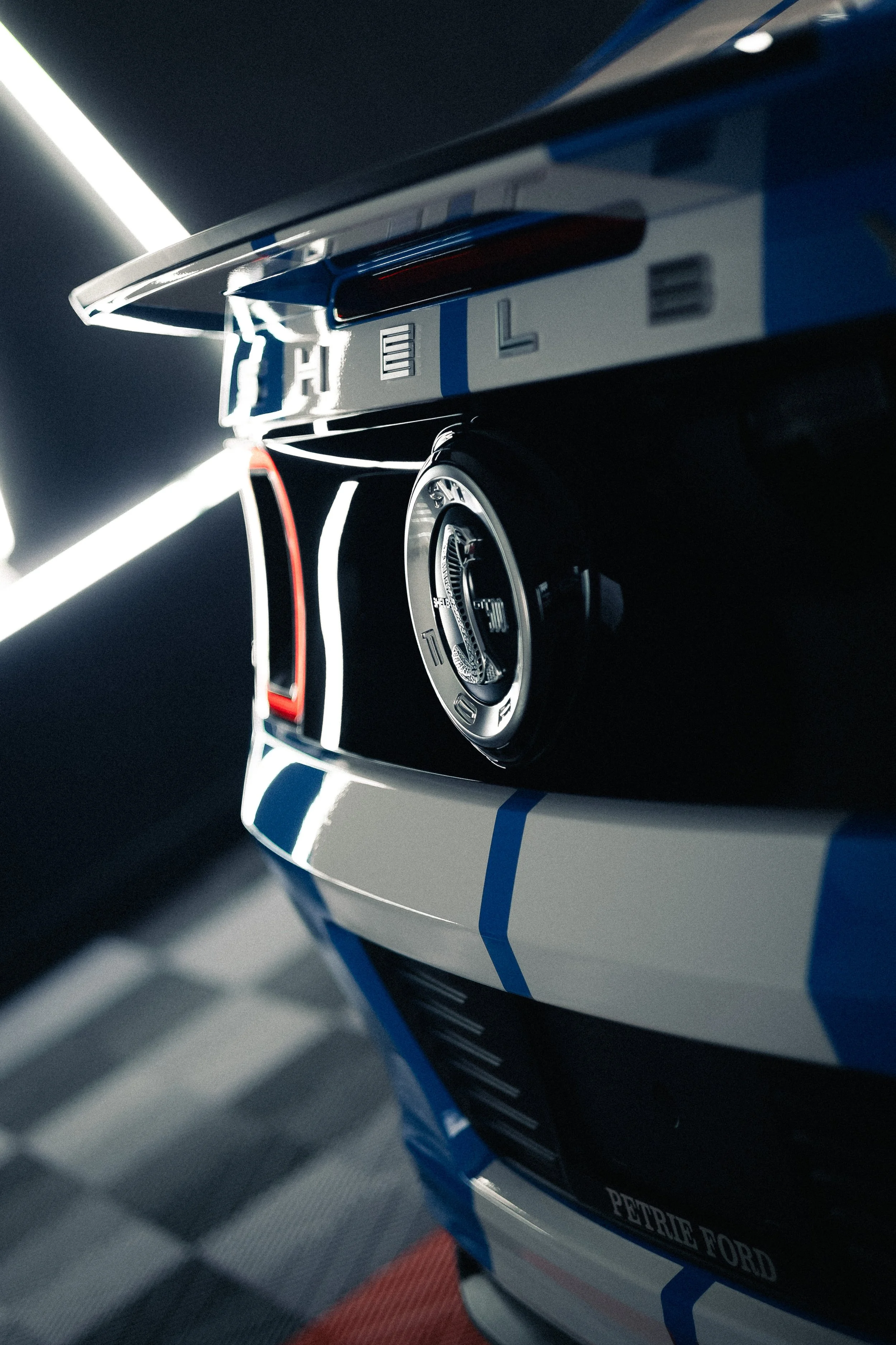
Paint Protection Film (PPF) is a clear, durable layer applied to your vehicle’s paint to shield it from rock chips, road debris, and wear. It’s the best way to keep your car looking newer for longer, especially in high-impact areas.
Why it’s worth it:
Protects against rock chips, scratches, and road debris
Self-healing surface helps reduce swirl marks
Preserves your paint and resale value
Options based on your needs:
Partial Front Protection
Covers high-impact areas like the hood, bumper, and mirrors, a great starting point for protection.Full Front Protection
More complete coverage for the front end, ideal for daily driving and highway use.Full Vehicle Protection
Maximum protection for those who want complete peace of mind.
Not ready for full PPF?
If you’re looking for a more budget-friendly option, we also offer ceramic coatings and AvantGuard 1051, giving you strong protection and gloss without the full investment of PPF.
Paint Protection Film (PPF) FAQ
-
Paint Protection Film is a clear, durable protective film applied to your vehicle's painted surfaces. It is designed to help protect the paint from physical damage such as rock chips, road debris, scratches, and everyday wear.
-
PPF can be a worthwhile investment if you want to preserve your vehicle's original paint, particularly if you drive frequently on highways or roads where rock chips and road debris are common. It can help keep high-impact areas looking newer for longer and reduce the need for paint repairs, and also keeps your resale value higher.
-
The right coverage depends on how and where you drive. Partial-front protection is a popular starting point, while full-front and full-vehicle PPF provide progressively more coverage. Our team can recommend the appropriate coverage based on your vehicle and driving habits.
-
PPF is specifically designed to help protect your vehicle's paint from impacts such as rock chips and road debris. While no protective film can guarantee that paint will never be damaged, PPF provides significantly more physical protection than a coating alone.
-
Car Dreams also features a self-healing PPF surface designed to help reduce the appearance of light scratches and swirl marks when exposed to heat.
-
Yes. PPF can be professionally removed when necessary. When properly installed and removed, it is designed to protect the original paint underneath rather than permanently altering it.
-
Yes. Ceramic coating can be applied over compatible PPF to add gloss, hydrophobic properties, and make the protected surfaces easier to maintain. Our team can recommend the appropriate combination based on your vehicle and protection goals.
-
PPF is a physical film designed primarily to protect against impacts such as rock chips, scratches, and road debris. Ceramic coating is a liquid-applied protective layer focused more on gloss, hydrophobicity, chemical resistance, and easier maintenance. They serve different purposes and can also be used together.
-
Neither is universally "better"—they are different protection solutions for different needs. PPF provides the highest level of physical protection against impacts, while Ceramic Coating & AvantGuard 1051 are coatings designed to provide enhanced protection, gloss, and hydrophobic properties without covering the vehicle in a traditional PPF film.
-
Yes. A new vehicle is often an excellent candidate for PPF because protecting the original paint from the beginning can help preserve its appearance and reduce exposure to rock chips and road damage. Proper preparation is still important before installation.